
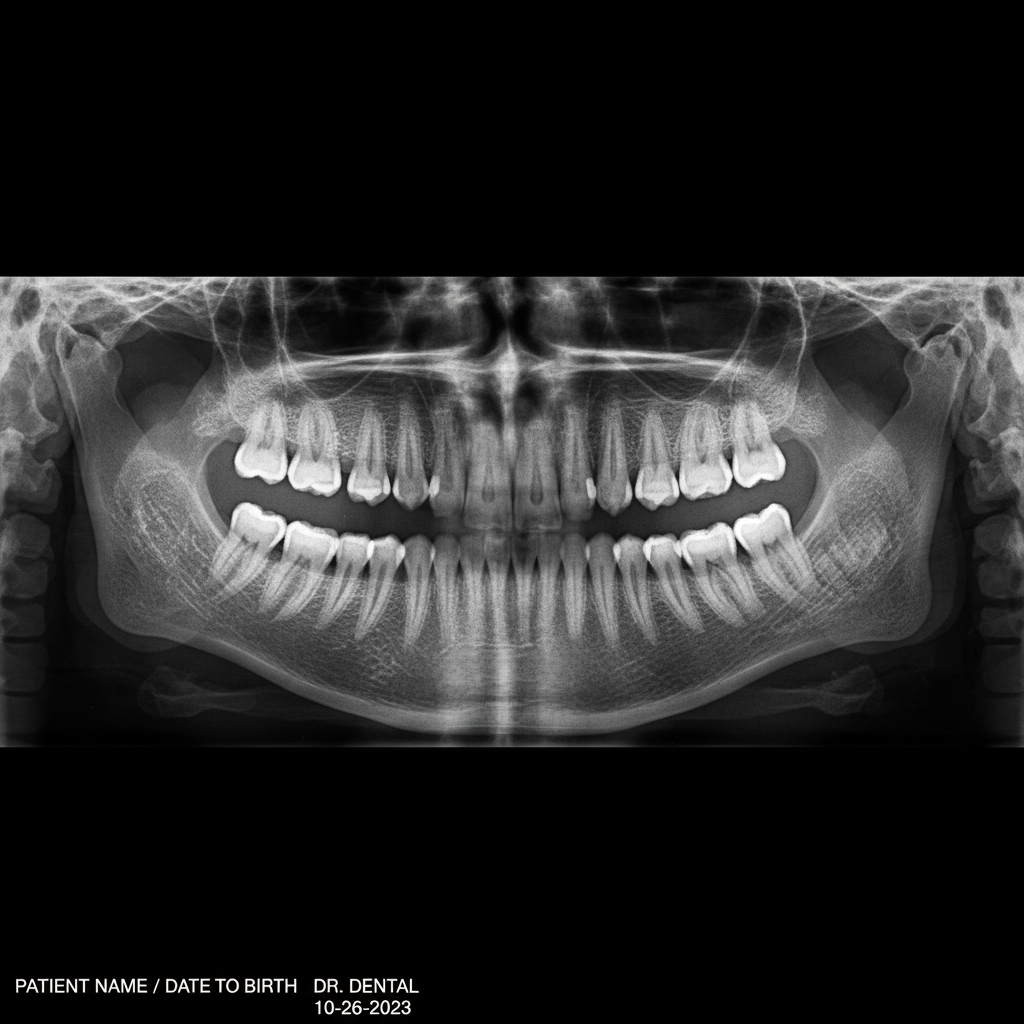
Every finding.
9 seconds.
AI-powered radiograph analysis that flags carious lesions, periapical pathology, and bone loss with peer-review-grade confidence scores.
Fourteen minutes per pano.
Every single study.
Associate dentists report an average diagnostic delay of 14 minutes per panoramic radiograph — not counting the backlog. Unread studies pile up. Findings get missed. Liability follows.
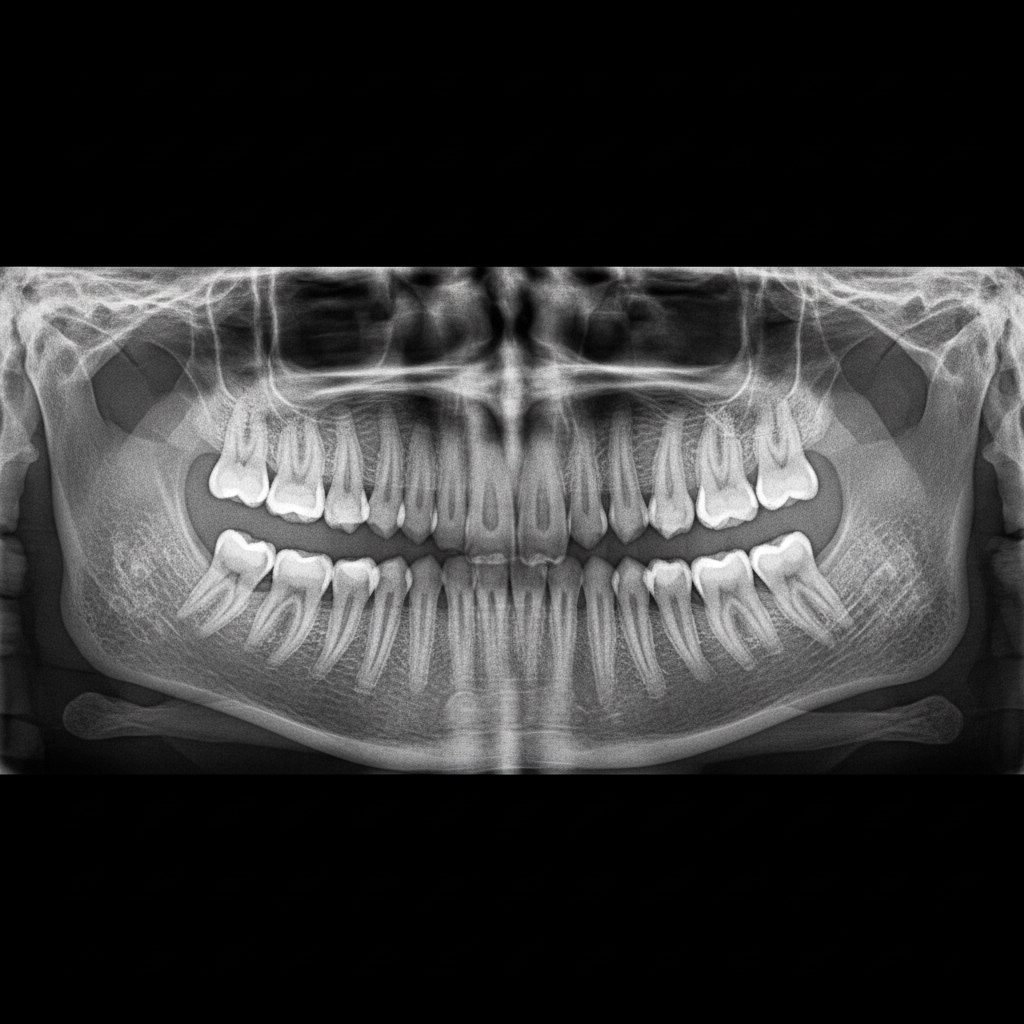
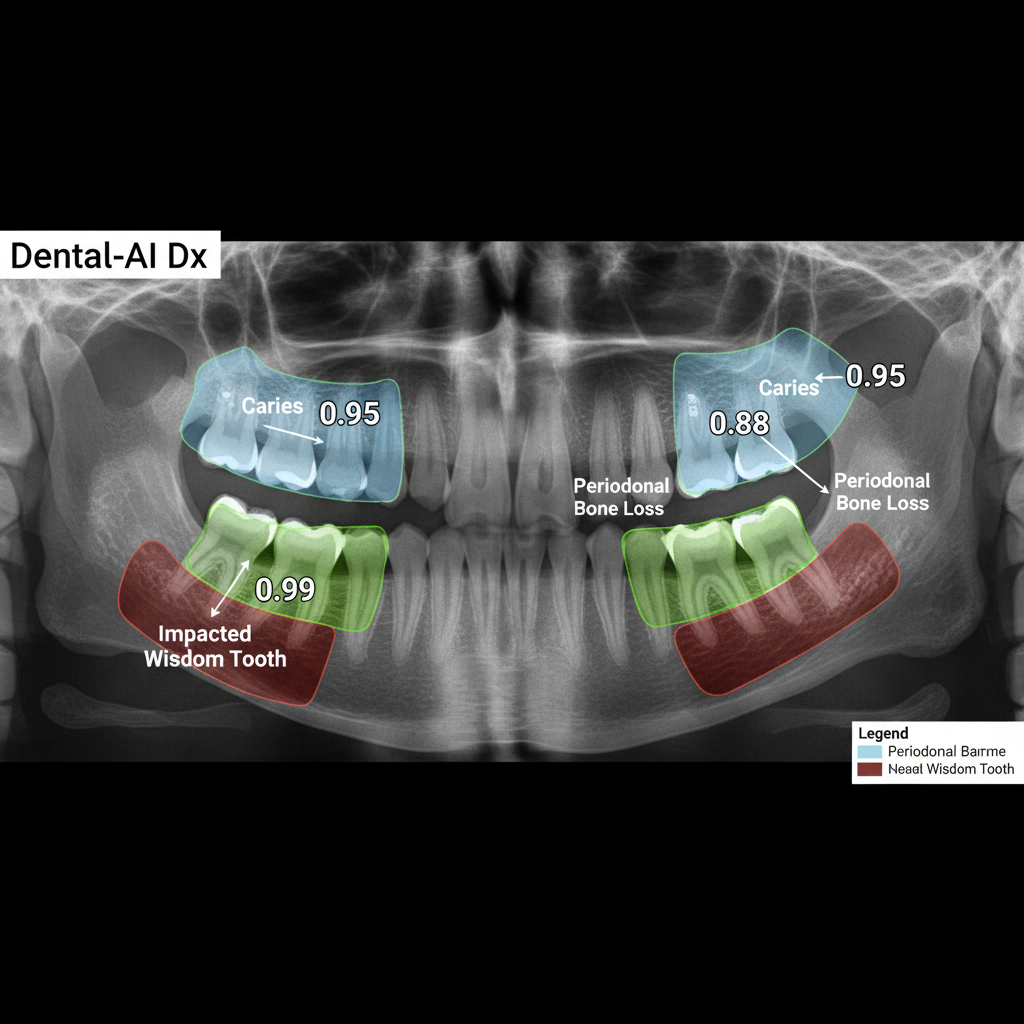
Same radiograph.
Zero ambiguity.
Pulp reads every film with the same attention at 2am as at 9am — no fatigue, no backlog anxiety, no second-guessing. Every finding color-coded by severity, every confidence score peer-review grade.
Diagnostic consistency
across every location.
DSO operations managers get a single pane of glass for detection rates, missed-finding recovery, and provider comparison — sortable, expandable, actionable.
Showing 6 of 32 locations · All data de-identified · Updated in real time
Numbers that hold up
in peer review.
Validated against 480,000 annotated radiographs from 14 academic dental centers. Sensitivity and specificity measured per ADA diagnostic category.
* Validated on held-out test set. Full methodology available upon request. IRB-approved dataset.
Pulp caught a periapical lesion on tooth #19 that I had noted as inconclusive on my first pass. The 91% confidence score gave me the clinical confidence to proceed with treatment. That's a second opinion that never sleeps.
Across our 34 locations, Pulp has standardized what "thorough" means. Detection rate variance between our highest and lowest-performing offices dropped from 12% to under 3% in six months.